Morning Journaling for Beginners: A 10-Minute Daily Practice
Most mornings begin with a reach. The phone, the inbox, the weather, someone else's urgent request. By the time you sit down with coffee, the day already has a shape, and it isn't one you chose.
A morning journal is a small counterweight. Ten minutes, one notebook, no app. You write a few lines about what's actually in front of you, decide what matters, and close the book. Beginners often assume journaling has to be deep, literary, or somehow done properly. It doesn't. The practice is closer to a pre-flight check than to a diary. What follows is a routine you can run tomorrow, with prompts to fall back on and a weekly review to keep it from drifting into decoration.
Why Ten Minutes Is Enough
Long journaling sessions sound appealing until the third morning, when the alarm goes off late and the whole thing collapses. A short practice survives bad mornings. That's the only real test of a habit.
Ten minutes of handwriting is roughly a page and a half in a small notebook. That's enough space to empty your head, pick a priority, and write one sentence you'll want to reread on Friday. It is not enough space to write your memoir, which is a feature rather than a limitation: the limit forces you to choose what goes in.
Write by hand if you can, because the pace slows you down and there's nothing to click. A notes app works fine if typing is your habit, but put the phone in another room while you write. A journal you check notifications on isn't a journal.
Set Up Tonight in Three Minutes
The routine fails in the setup, not in the writing. Before bed, do these four things:
- Put the notebook and a pen in the place where you'll sit in the morning — next to the kettle, on the kitchen table, on the arm of the chair. Not in a drawer.
- Write tomorrow's date and one question at the top of the next blank page. It removes the blank-page pause.
- Set your alarm ten minutes earlier, and commit to the first ten minutes of the day being yours.
- Charge your phone outside the bedroom, or at least out of arm's reach.
If you make coffee first, fine. Make it, sit down, and write before you look at a screen. The order matters more than the hour — a journal opened at 9:15 but before the inbox still does its job.
The Ten-Minute Shape
Structure beats inspiration on a Tuesday. Run the same four moves every morning and let the content change.
- Minute one to two: arrive. Date the page. Write three or four words describing how you actually feel — tired but steady, wound up about the meeting. Naming it takes the edge off.
- Minute three to six: empty the head. List everything circling — the email you owe, the dentist, the thing your friend said. Fragments are fine. No sentences required, no editing. The list is a holding pen, not a plan.
- Minute seven to nine: pick one thing. Choose the single item that would make today feel finished rather than busy. Write a few sentences about it, ending with the first physical action: open the spreadsheet and pull last quarter's numbers. Something a tired version of you could start without thinking.
- Minute ten: close with a line. One sentence you'd be glad to read in a week. Today I want to be patient with the afternoon. Then shut the book.
Some mornings the list swallows the whole ten minutes. That's useful information: it usually means the problem is volume, not effort.
Prompts for When the Page Stays Blank
Keep this list on the inside cover. Use one prompt, not five — a single question answered honestly beats a survey.
- What's actually on my mind right now, before I tidy it up?
- What am I avoiding, and what's the smallest version of it?
- What would make today feel finished rather than busy?
- What did I notice yesterday that I didn't have time to think about?
- What's one thing I can control today, and one I can't?
- Who is on my mind this morning, and why?
- If I only did one thing today, what should it be?
- What do I need to say to someone, and can I say it today?
Specific answers are worth more than tidy ones. "Grateful for my family" is a dead line; "grateful that Maria called back about the flat" gives you something to work with.
The Weekly Review
Five mornings of writing produces a pile of lists and half-thoughts. Once a week — Friday works well, or Sunday evening — spend fifteen minutes reading the week back. Don't write anything new. Just read, and answer four questions in the margin:
- What happened this week that I want to remember?
- What did I keep writing about? Repetition is the signal.
- What gave me energy, and what drained it?
- What's one thing I'll do differently next week?
This is where the practice earns its keep. Patterns show up in a week of pages that are invisible day to day: the same colleague mentioned three times, the same project pushed to tomorrow since Monday. Write one line at the top of the next page — this week: finish the draft before Thursday — and let it sit there as a heading for the mornings ahead.
When You Miss a Morning
You will miss mornings. The habit isn't fragile because of that; it's fragile only if a missed day turns into a missed fortnight.
Two rules help. Never miss twice in a row, and don't backfill. Skipping a day is normal; sitting down on Saturday to write four entries you owe yourself is how people quit. Nobody is marking the register.
Define a minimum version for bad days: the date plus one sentence. Rushed, slept badly, the presentation is at eleven. That counts. The page stays a habit rather than an ambition.
If you find your mornings genuinely packed — school runs, shifts, small children — the practice still works at the kitchen counter in four minutes. What it needs is a fixed place in the day, not a perfect one.
Start With Tomorrow
Tonight, put the notebook by the kettle and write one prompt at the top of the next page. Set the alarm ten minutes earlier. In the morning, sit down before you look at anything with a screen, and fill one page with whatever is there. It won't feel remarkable. That's the point — the value shows up in the rereading, not in the writing.
Give it two weeks before you judge it. If the pages stay flat and the routine feels like homework, change the prompt, shorten the session to five minutes, or move it to the end of the day. The practice should fit your life, not the other way around. And if mornings feel heavy in a way that doesn't lift with writing, keep the journal as a companion to proper support rather than a substitute for it.
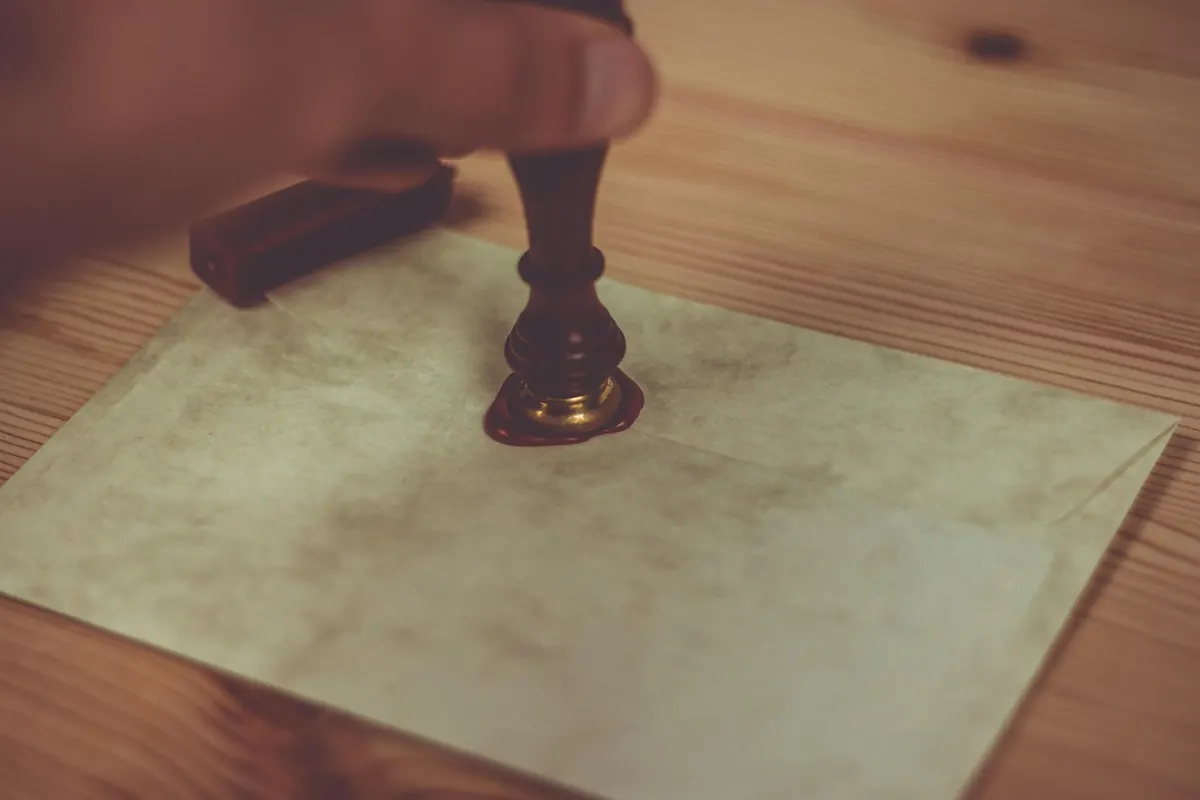
Photo: Engin_Akyurt / Pixabay

Rainy Morning Journaling: A Cozy Routine for Slower Days
A weather-based morning routine that uses rain, tea, and quiet to slow your journaling down—with setup...

Brain Dump vs. Reflective Journaling: What to Write When Your Mind Is Full
A brain dump clears your head; reflective journaling helps you understand it. Here's how to tell which one...
About Us